EASY FREEZER DINNER
3 Easy Ways to Cook Frozen Korean Mandu
Turn one bag of frozen Korean mandu into crispy pan-fried dumplings, tender steamed dumplings, or a comforting two-person mandu soup.
Frozen mandu is not a lesser version of a Korean meal. It is the practical bag many Korean households keep ready for a quick snack, an easy lunch, or a bowl of soup when cooking from scratch feels like too much. You do not need to thaw the dumplings, buy special cookware, or make wrappers. Choose one method below according to the meal you want.
1. First, choose the right frozen mandu
Pork-and-vegetable mandu is the most versatile choice for frying, steaming, and soup. Beef varieties are often slightly sweeter, kimchi mandu brings tang and heat, and vegetable mandu can feel lighter. Large 왕교자-style dumplings make a substantial snack; smaller mandu are especially convenient for soup. Check the package for allergens and its minimum cooking time because wrapper thickness and filling vary by brand.
Keep the mandu frozen until the pan, steamer, or broth is ready. Thawing usually makes commercial wrappers damp and sticky, which increases the chance of tearing. If your package specifically instructs you to thaw, follow the manufacturer instead.
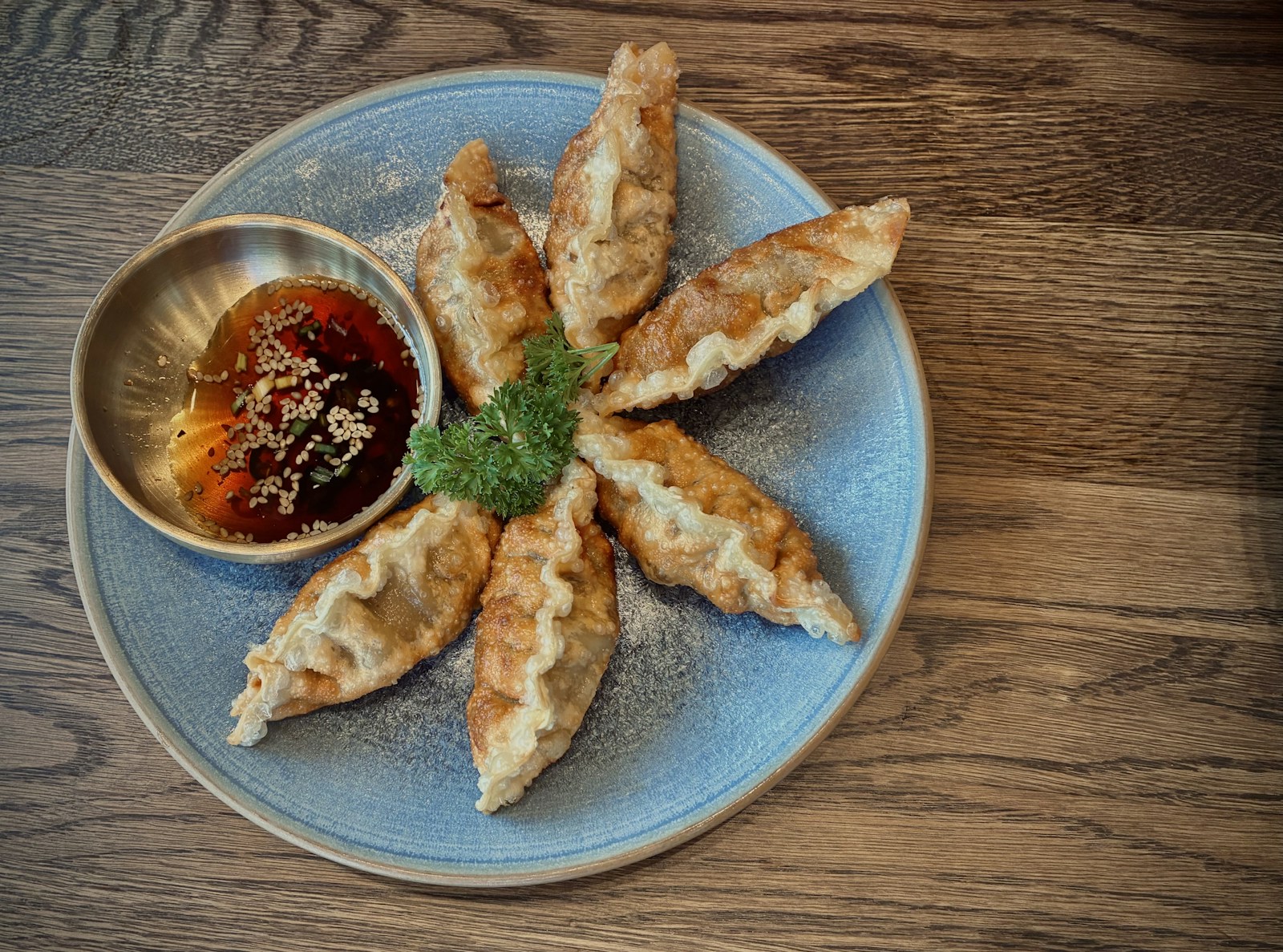
2. Crispy pan-fried mandu (gunmandu)
For 2 servings, use 10 to 12 frozen mandu, 1 tablespoon neutral cooking oil, and 1/3 cup water. A regular 10- to 12-inch nonstick frying pan with a lid is the easiest tool.
Heat the empty pan over medium heat for 1 minute. Add the oil, then arrange the frozen mandu flat-side down with a little space between them. Cook uncovered for about 2 minutes, until the bottoms begin to turn pale gold.
Carefully pour the water into the side of the pan and cover immediately; it may splatter. Let the trapped steam cook the wrappers and filling for 5 to 7 minutes. If the package gives a longer time, use that time.
When only a thin film of water remains, remove the lid. Continue cooking for 2 to 3 minutes, until the water evaporates and the bottoms become deep golden and crisp. If they are still pale, give them another minute rather than turning the heat to high and burning one spot.
Success signal: the bottoms release from the pan with a thin spatula, the wrapper is tender above the crisp base, and the center of the largest dumpling is steaming hot.
3. Tender steamed mandu (jjinmandu)
For 2 servings, use 8 to 10 frozen mandu. Bring at least 1 inch of water to a steady boil under a steamer basket. Line the basket with perforated parchment paper or clean cabbage leaves so the wrappers do not stick. Do not use an unperforated sheet that blocks the steam.
Arrange the frozen mandu with space between them, cover, and steam over medium to medium-high heat for 8 to 10 minutes. Avoid repeatedly lifting the lid because every peek releases the steam that cooks the center.
Success signal: the wrappers look slightly glossy and tender, and the filling is piping hot. If the wrappers seem dry, the steamer may have run low on water; carefully add boiling water below the basket, never directly over the dumplings.
4. Easy manduguk (Korean dumpling soup)
For 2 bowls, use 8 to 10 frozen mandu, 4 cups anchovy-kelp, beef, chicken, or vegetable broth, 1 minced garlic clove, 1 tablespoon soup soy sauce or 2 teaspoons regular soy sauce, 1 lightly beaten egg, 2 sliced scallions, 1 teaspoon toasted sesame oil, and black pepper. Roasted seaweed is an optional garnish.
Bring the broth, garlic, and soy sauce to a gentle boil. Add the frozen mandu one at a time and stir once along the bottom so they do not stick. Simmer gently for 6 to 8 minutes or for the package time. A violent boil can tear the wrappers and cloud the soup.
When the mandu are cooked, slowly stream in the egg. Wait about 10 seconds before stirring to create soft ribbons instead of tiny scrambled pieces. Add scallions, sesame oil, and pepper. Taste before adding salt because the mandu and broth may already be well seasoned.
Success signal: the soup is steaming, the wrappers remain intact, and the center of the largest mandu is fully hot. Floating can be a useful clue, but it is not the only safety test.
5. Quick dipping sauce
Mix 1 tablespoon soy sauce, 1 tablespoon rice vinegar, 1 teaspoon water, 1 teaspoon sliced scallion, and 1/2 teaspoon toasted sesame seeds. Add a pinch of gochugaru if you want heat. This bright sauce is for pan-fried or steamed mandu; manduguk is already seasoned.
6. Food-safety check
Cut open the largest dumpling before serving. Frozen meat- or poultry-filled mandu should reach 165°F (74°C), unless the package gives a different verified instruction. A browned bottom does not prove that a frozen center is hot, which is why the covered steaming stage matters in the frying-pan method.
7. Which method should you choose?
Choose pan-fried mandu when you want a crisp snack or restaurant-style appetizer. Choose steamed mandu when you want the softest wrapper and the cleanest taste of the filling. Choose manduguk when you want one bag of dumplings to become a complete, warming meal. Add cooked rice cakes to the soup only if you want the New Year-style combination known as tteok-manduguk.
Frequently asked question: Can I air-fry frozen mandu?
Yes, if the package permits it. Lightly coat the frozen dumplings with oil and follow the package temperature and timing. Air fryers vary widely, so check early and turn the mandu for even browning. The wrapper will generally be drier and crisper than steamed or steam-fried mandu.
Frequently asked question: Why did my mandu split?
The most common causes are thawed sticky wrappers, overcrowding, rough boiling, or a pan that dried out before the frozen center cooked. Start from frozen, leave space, and use steady steam or a gentle simmer.
Frequently asked question: Do I need a Korean dumpling brand?
For a recognizably Korean result, choose a package labeled mandu with a Korean-style filling such as pork and vegetables, beef, kimchi, or tofu and vegetables. The cooking technique still works for many other frozen dumplings, but always let the package directions override general timing.